Stormwater and environmental compliance for Washington, Oregon and Alaska
Our Seattle field team inspects your site, collects the samples, writes the plans and files the reports for stormwater, wastewater and chemical permits, so your permit stays in good standing.
We reply within one business day. Prefer a form? Send a message.
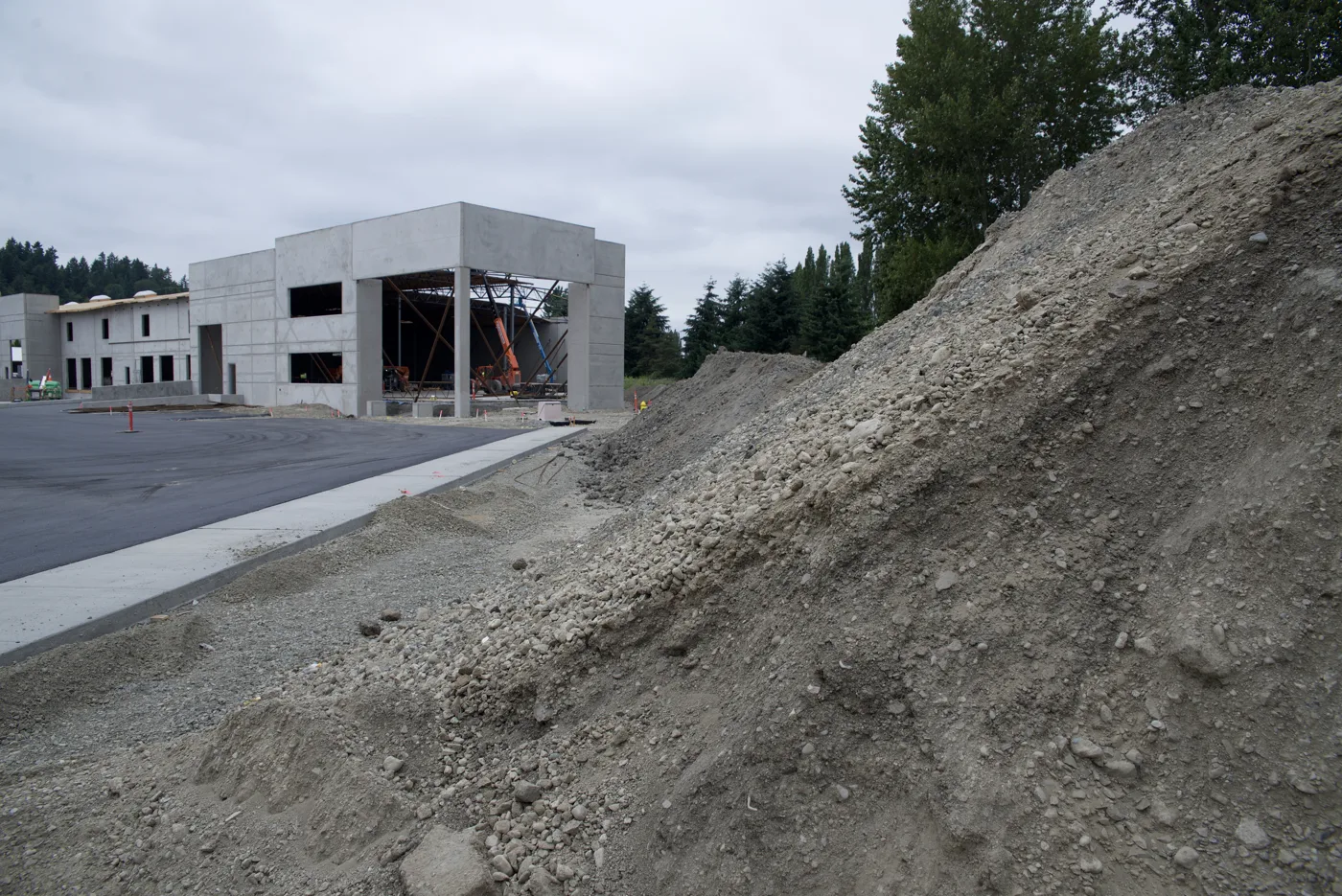
- Seattle field team covering WA, OR and AK
- 250+ active permitted sites
- CESCL certification for every field scientist
- CPSWQ, CHMM held by our founder
Find what you need
Every permit and report we handle. Each page explains the requirement, who it applies to and what we do.
No match. Email us what you need and we'll tell you whether we can help.
Stormwater permits
- Industrial Stormwater General PermitManufacturers, recyclers, terminals, transportation yards and other industrial facilities that discharge stormwater.
- Construction Stormwater General PermitConstruction projects disturbing one acre or more, and smaller sites that are part of a larger plan.
- Sand & Gravel General PermitQuarries, concrete batch plants, asphalt plants and other sand and gravel operations.
- Alaska MSGPIndustrial facilities in Alaska that discharge stormwater from industrial activity.
- Oregon 1200-ZIndustrial facilities in Oregon that discharge stormwater to surface water or a storm sewer.
- Storm drain solids samplingISGP facilities that discharge to a listed Puget Sound sediment cleanup site.
- Conditional No ExposureIndustrial facilities that would otherwise need the ISGP but have no exposure to stormwater.
- Private stormwater facility inspectionsOwners of private ponds, vaults, catch basins and other drainage facilities, where the city requires it.
- TESC plans and inspectionsConstruction projects that disturb soil, where the city or county requires it.
Stormwater services
- Stormwater samplingFacilities and construction sites covered by the ISGP, CSGP, Sand & Gravel, Oregon 1200-Z or Alaska MSGP permits.
- Site inspectionsAny site with stormwater permit coverage.
- SWPPP preparationEvery facility covered by the ISGP or CSGP. Sand & Gravel sites keep a Site Management Plan and Oregon sites a Stormwater Pollution Control Plan, which we also prepare.
- Corrective actionsISGP facilities whose sample results exceed a benchmark.
- DMRs and annual reportsEvery permitted facility that monitors stormwater or wastewater.
- NOIs and permit changesFacilities applying for, changing or ending general permit coverage.
Wastewater
- Winery General PermitWineries that discharge process wastewater or stormwater under Ecology's winery permit.
- UIC drywell registrationProperty owners with drywells or other underground injection wells, including industrial and sand and gravel sites.
- King County Industrial Waste permitsBusinesses in King County's sewer service area that discharge process wastewater.
- State Waste Discharge permitsFacilities that discharge industrial wastewater to land or to a sewer under an Ecology permit.
- City sewer discharge permitsBusinesses that discharge process wastewater to a city sewer that permits industrial users.
- Wastewater samplingAny facility with a wastewater discharge permit.
- Groundwater monitoringSites whose permit, lender or agreement requires groundwater monitoring.
Chemicals, waste and air
- Air emissions reportsFacilities with an air permit or registration.
- SPCC plansNon-transportation facilities with aggregate aboveground oil storage capacity over 1,320 gallons (containers of 55 gallons or more) or completely buried capacity over 42,000 gallons, where a discharge could reasonably reach navigable waters or adjoining shorelines.
- Sand & Gravel annual reportFixed sand and gravel, quarry, concrete and asphalt operations under the Sand and Gravel General Permit.
- Tier II reportingFacilities with a hazardous chemical on site at any one time at or above 10,000 pounds, or an extremely hazardous substance at or above 500 pounds or its threshold planning quantity, whichever is lower. Retail gas stations have higher gasoline and diesel thresholds for compliant underground tanks.
- TRI Form R reportingFacilities in a covered industry with 10 or more full-time employee equivalents (generally 20,000 hours a year, including applicable contractor hours) that manufacture or process more than 25,000 pounds, or otherwise use more than 10,000 pounds, of a listed chemical. Some chemicals have much lower thresholds and some uses are exempt.
- Dangerous waste annual reportsEvery Washington site whose EPA/State ID number for dangerous waste was active at any time during the reporting year (WAC 173-303-220).
- Pollution prevention plansWashington facilities that generate hazardous waste or use hazardous substances above the state thresholds.
Plans, audits and training
- SWPPP binder auditsAny permitted site, especially before an inspection or after a staffing change.
- Compliance gap analysisISGP facilities with a new permit, owner or consultant.
- Source investigationsSites with repeated exceedances and no obvious source.
- Consent order reportingFacilities under an EPA or Ecology order, agreement or settlement.
- Annual stormwater trainingStaff on a facility's pollution prevention team and anyone doing those duties.
How we manage permits for a 30-location equipment dealer
Heavy equipment dealer, 30+ locations in Washington and Oregon. Monthly ISGP inspections, quarterly sampling and DMRs at its industrial yards, construction stormwater at new builds, Oregon 1200-Z reporting and quarterly binder audits at its Portland sites. More client work
What clients say
I really appreciate everything you are all doing to keep us in compliance. Great job!
National food distributor
This is an excellent interpretation of the data and justification to continue with the BMPs.
Dairy equipment manufacturer
That gives me exactly what I need! I really appreciate the help!
County public works shop
It has been an absolute pleasure working with you. I have learned a lot.
Crane service company
The people who do your work
The certified team that inspects your site, collects your samples and writes your reports.





What happens after you email us

- A reply within one business day
- We work out which permit applies and what it requires. The first consultation is free.
- A plan and a price
- You get a plan of action and a cost estimate before any work starts.
- Flat-rate quotes
- Defined work is quoted at a fixed price. Open-ended work is billed hourly, only if you agree.
- Your records, always available
- Reports, lab results and plans sit in a secure shared folder you can open any time.
Permit updates
Changes to Washington stormwater rules and what they mean for your site. All updates
Washington's industrial stormwater permit now expires December 31, 2028
Ecology shortened the 2025 ISGP by one year. Here is what changed, what didn't, and the timeline for the next permit.
The 2025 ISGP was upheld on appeal and remains in full effect
The Pollution Control Hearings Board affirmed the 2025 ISGP in June 2026. The challengers have appealed to King County Superior Court.
PFAS and 6PPD-quinone sampling under the ISGP: who has to do it and when
Which Washington industrial facilities must sample for PFAS and 6PPD-quinone, how often, by which method, and whether results trigger corrective actions.
Tell us what you need
Email where the site is and what you need help with. A permit number helps if you have one, but it is optional. We reply within one business day.